

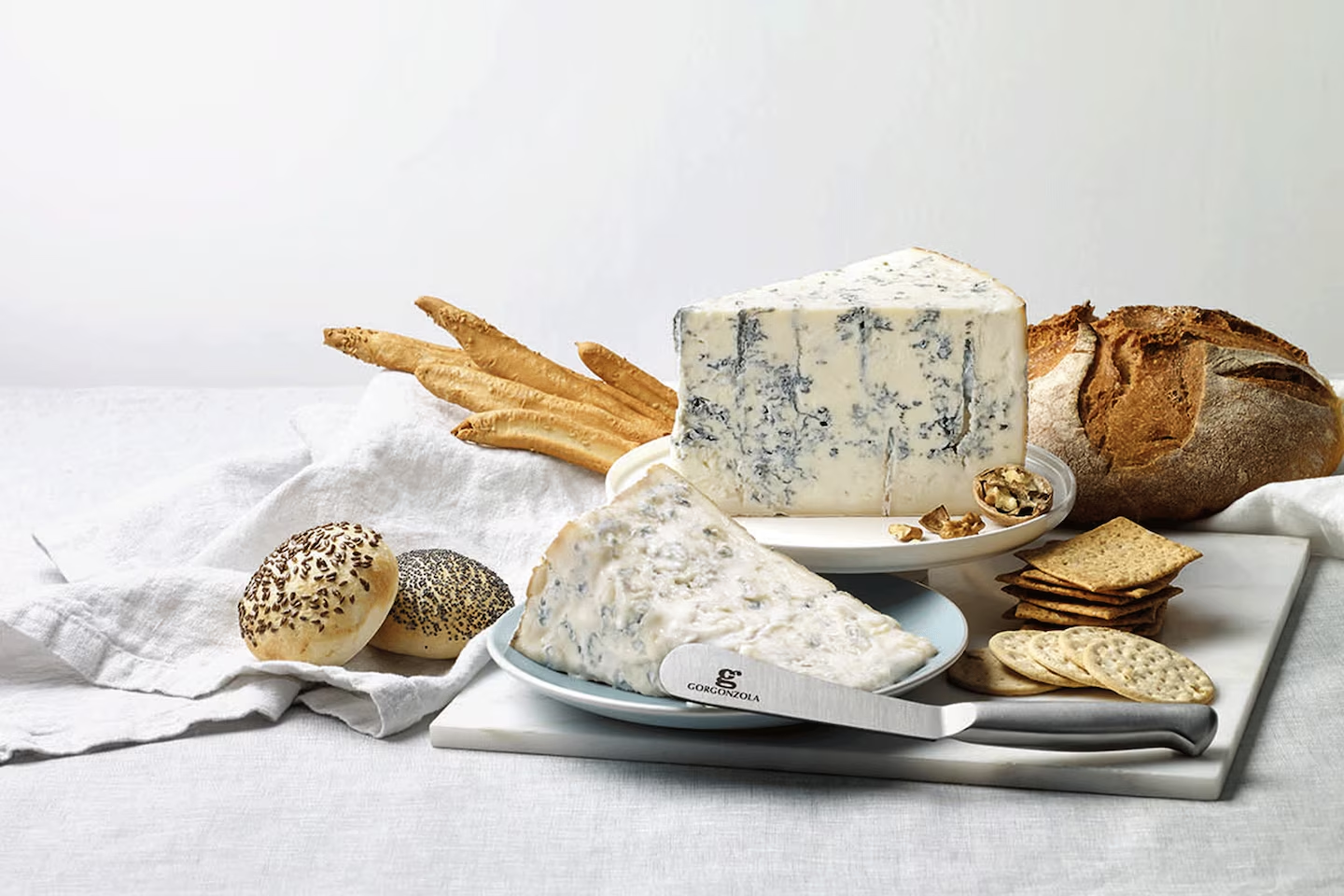
Introduction to Masgonzola cheese
If you’re a cheese lover, you’ve likely dabbled in the world of gourmet cheeses. Among them, Masgonzola stands out as a true gem. This creamy, tangy blue cheese is not just another ingredient; it’s an experience waiting to elevate your culinary creations. Whether you’re whipping up a luxurious pasta dish or crafting an elegant cheese platter, Masgonzola brings depth and character that few other cheeses can match. Curious about what makes this cheese so special? Let’s dive into the delightful universe of Masgonzola and discover why it deserves a starring role in your kitchen!
The history and origin of Masgonzola cheese
Masgonzola cheese has a fascinating origin that traces back to Italy. Its roots are deeply embedded in the rich dairy traditions of the Lombardy region. The name itself is derived from “Gorgonzola,” a town famous for its blue cheese, but Masgonzola introduces unique characteristics that set it apart.
Historians suggest that this cheese emerged during the Middle Ages when local farmers began experimenting with milk fermentation techniques. They discovered that specific molds could create an extraordinary flavor profile.
What makes Masgonzola truly special is its creamy texture and well-balanced tanginess. Over centuries, artisan cheesemakers honed their craft, perfecting the aging process and developing distinct varieties of Masgonzola.
Today, it embodies a culinary legacy while still being embraced by modern gourmet chefs looking to elevate their dishes with something exceptional.
How Masgonzola differs from other types of blue cheeses
Masgonzola stands out in the world of blue cheeses, offering a unique flavor profile that sets it apart. Its creaminess is often more pronounced than other varieties, creating a rich mouthfeel that enhances any dish.
Unlike traditional Gorgonzola or Roquefort, Masgonzola tends to have milder, sweeter notes alongside its characteristic tang. This delicate balance makes it versatile for both savory and sweet applications.
The veining of Masgonzola is also distinct. While many blue cheeses feature intense marbling throughout, Masgonzola presents a more subtle distribution. This adds to its visual appeal while maintaining an exquisite taste experience.
Additionally, the aging process can differ significantly. Many producers opt for shorter aging periods with Masgonzola to retain its creamy texture without overwhelming sharpness. These attributes make it an excellent choice for gourmet dishes looking for depth without overpowering flavors.
Health benefits of Masgonzola cheese
Masgonzola cheese isn’t just a flavorful addition to your gourmet dishes; it also offers several health benefits. This creamy blue cheese is rich in essential nutrients, including protein and calcium. These elements can help support strong bones and muscle function.
The presence of probiotics in Masgonzola promotes gut health, aiding digestion and enhancing overall well-being. Its unique flavor profile may even encourage smaller portions as you savor each bite, making it easier to control calorie intake.
Furthermore, Masgonzola contains antioxidants that combat inflammation and lower the risk of chronic diseases. The moderate fat content provides energy while still allowing for balanced consumption when enjoyed mindfully.
Incorporating this delightful cheese into your meals can elevate both taste and nutrition without compromising on flavor or indulgence.
Pairing suggestions for Masgonzola in gourmet dishes
Masgonzola shines when paired with fresh ingredients. Try it alongside ripe figs or pears for a delightful contrast of sweet and savory.
For salads, add Masgonzola crumbles to mixed greens, toasted walnuts, and a drizzle of balsamic reduction. The creamy texture elevates the dish beautifully.
In pasta dishes, incorporate Masgonzola into creamy sauces or toss it with roasted vegetables. It adds richness that transforms ordinary meals into gourmet experiences.
Don’t overlook its potential in charcuterie boards. Pair it with cured meats like prosciutto or salami, along with artisan crackers and honey for an irresistible combination.
For wine lovers, consider a glass of robust red or a crisp white to enhance the cheese’s flavors. Each sip complements the distinct tanginess of Masgonzola perfectly.
Recipes using Masgonzola as the star ingredient
Masgonzola shines brilliantly in various gourmet dishes, elevating flavors and adding a rich creaminess.
Try it crumbled over a fresh arugula salad. The peppery greens pair beautifully with the tang of Masgonzola, creating an unforgettable appetizer.
For pasta lovers, consider a creamy Masgonzola sauce tossed with fettuccine. Just melt the cheese into heavy cream and add garlic for depth; it’s indulgence at its finest.
Soups also benefit from Masgonzola’s bold character. Stir some into butternut squash soup for a delightful contrast of sweetness and savory richness.
If you’re feeling adventurous, whip up stuffed chicken breasts filled with Masgonzola and spinach. Bake until golden brown for an impressive main course that’ll wow your guests.
Dessert can even feature this versatile cheese! Try pairing it with dark chocolate for an unexpected yet decadent treat that tantalizes the taste buds.
Where to buy and how to store Masgonzola cheese
To find the best Masgonzola cheese, start by visiting specialty cheese shops or local farmers’ markets. These places often carry artisanal varieties crafted with care. You may also explore gourmet grocery stores with a strong cheese selection.
Online retailers can be a convenient option too. Many reputable websites offer high-quality Masgonzola shipped directly to your door. Just ensure you choose vendors known for their fresh products.
Storing Masgonzola properly is essential for maintaining its flavor and texture. Wrap the cheese in wax paper first, then place it in an airtight container or resealable bag. This allows the cheese to breathe while preventing excess moisture from causing spoilage.
Keep your stored Masgonzola in the refrigerator’s crisper drawer, where temperatures remain stable. Avoid freezing it; this can alter the creamy consistency and rich taste that make Masgonzola so special.
Alternatives to Masgonzola for those
If you’re exploring cheese alternatives to Masgonzola, there are several options that can offer a similar flavor profile or texture. Roquefort, for instance, is another blue cheese known for its tangy taste and creamy consistency. It hails from France and pairs wonderfully with salads and roasted meats.
Another great choice is Gorgonzola, which shares some similarities with Masgonzola but often has a milder flavor. This Italian cheese also works well in various dishes, providing richness without overpowering other ingredients.
For those looking for a non-blue option, feta cheese can add a salty kick to your gourmet creations while maintaining creaminess. It’s ideal for Mediterranean-inspired recipes or as an enhancement in grain bowls.
Each alternative brings its own unique characteristics to the table, making it easier than ever to craft delightful dishes even if you can’t get your hands on Masgonzola. Whatever you choose will be sure to elevate your culinary experience!